The future
of food is true
Revealing the real cost & price of what we eat –
for people, for nature and for the future
We are a cross-sector initiative accelerating the shift toward food systems that are healthier, transparent, and regenerative — starting in Brazil
Our purpose is to make the true cost and price of food visible, exposing the hidden impacts on health, nature, and people.
Eating is a powerful act. Each food we put on the plate carries stories that go beyond what we see on the label: it can impact nature, people’s health, and the lives of those who produced it. True Food initiative helps reveal the real cost of food by showing the hidden effects on the forest, the climate and communities. Thus, we give consumers the chance to make fairer and healthier choices, building together a future where producing and consuming food does not harm anyone — not nature, not the next generations.
When we reveal the hidden costs of food, we see that ecological & healthy food is the most affordable.
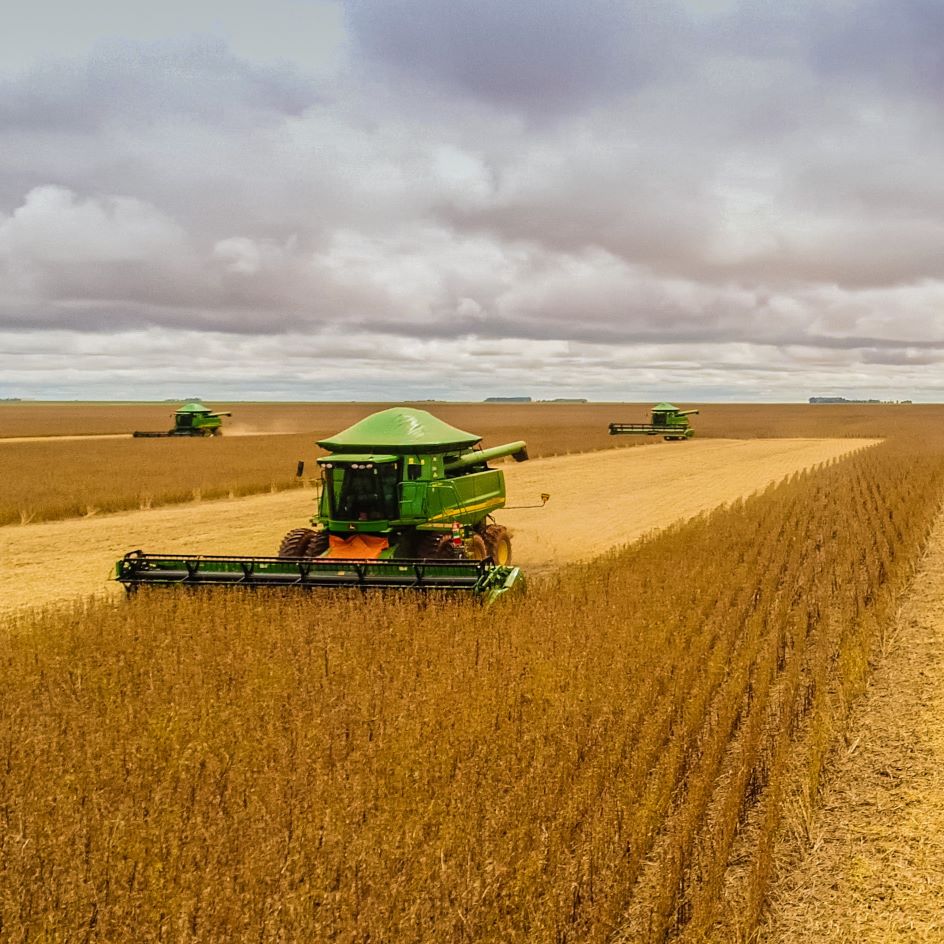
Brazil holds a dominant position in global agricultural production and trade, contributing significantly to food security, climate goals, and sustainable development. It also has immense potential to restore degraded lands for agroforestry and native ecosystems.
Brazil’s Global Rankings in Food Production and Export:
Brazil is the world’s largest producer and exporter, supplying 50% of global soybean trade
Brazil is the largest exporter of beef, with a 22% share of global exports
Brazil leads as the top global chicken exporter, holding a 32% market share
Ranked as the world’s largest exporter, Brazil accounts for over 35% of global sugar exports
Brazil is the top coffee producer and exporter, accounting for 37% of global production
Brazil ranks second in global exports after the U.S., with a 32% market share
The food system is broken.
It fuels biodiversity loss, drives climate change, deepens social inequity, and hides its true costs. But it doesn’t have to be this way. At True Food Initiative, we envision a food future that nourishes both people and planet. A system where every meal supports ecosystems, empowers communities, and reflects the true cost and value of food.
We are here to expose the hidden truths.
We believe that transparency is a catalyst for transformation. By revealing the social, environmental, and health costs embedded in the food we eat, we equip citizens, businesses, and governments to make better choices.
We are here to shift behaviors.

Decrease obesity and malnutrition rates. Improve physical and mental health

Boost food production without land expansion and/or deforestation

Revert biodiversity loss

Improve farmers’ living income and wellbeing. Redirecting subsidies toward nutritious and minimally processed foods

Lower emissions and higher carbon sequestration through an ecological agriculture
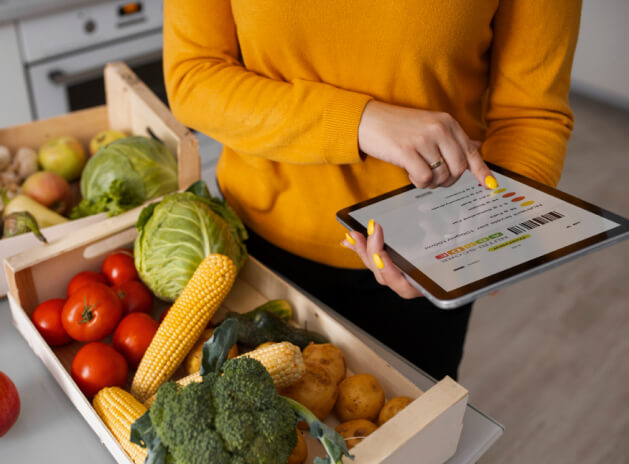
True Cost Accounting (TCA) is a holistic framework that measures hidden costs by quantifying environmental, social, health, and economic impacts, offering a full view of food systems’ real value.
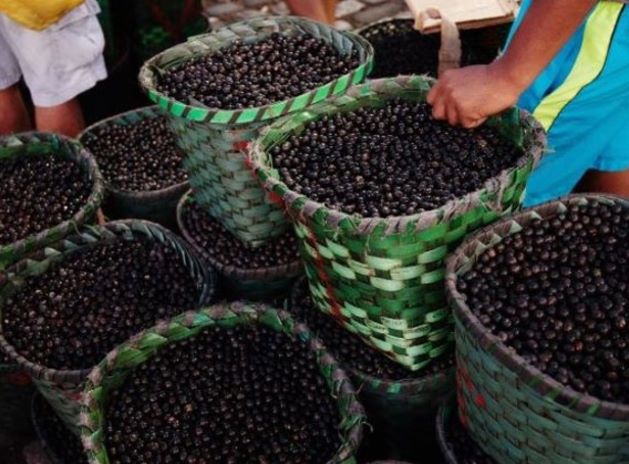
Bioeconomy Fair Price Index is a continued effort to define what a fair farmgate price should be for key sociobioeconomy assets — including native fruits, forest products, and regenerative agricultural items.
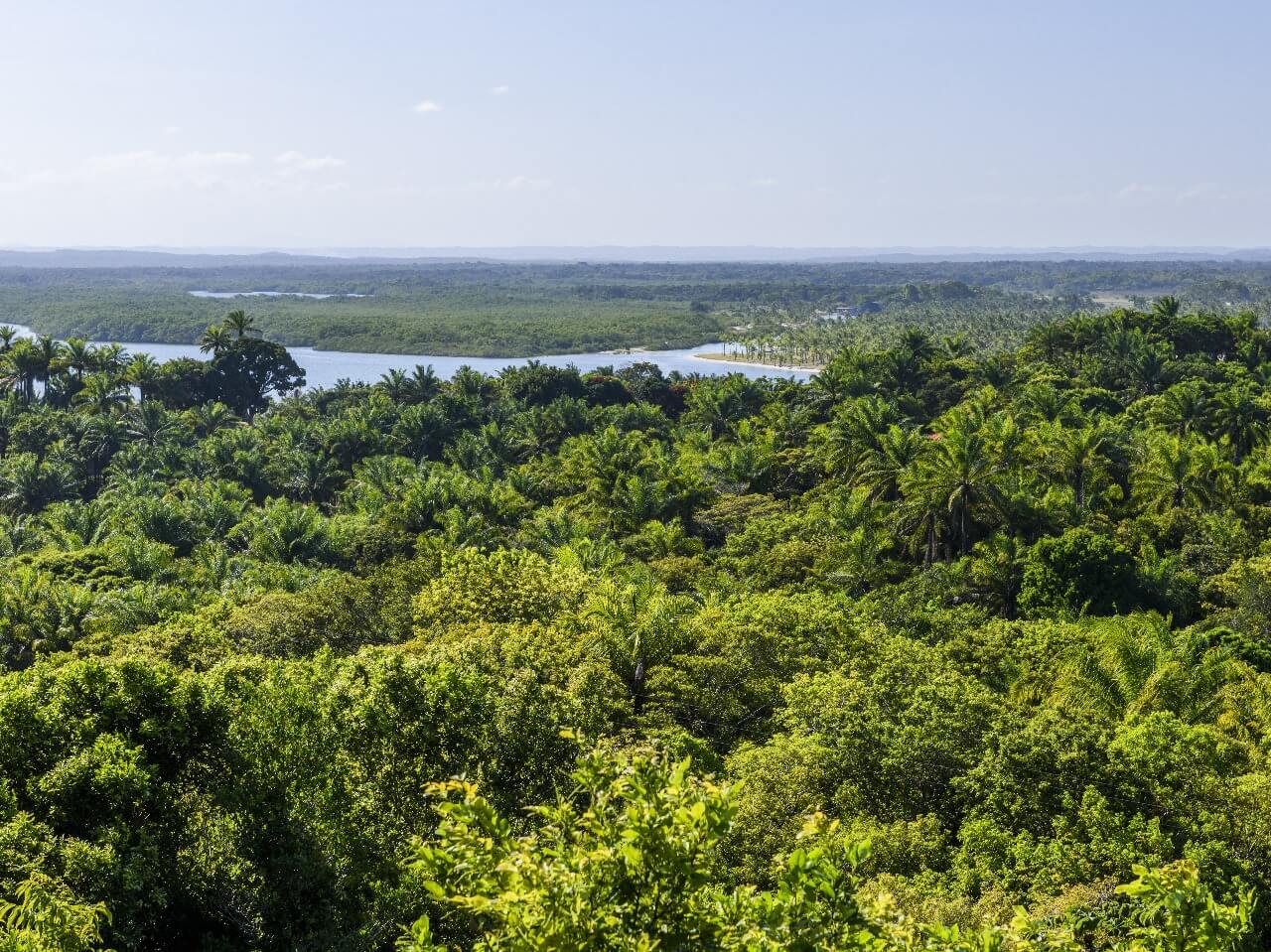
One of the most biodiverse biomes on the planet, home to over 20,000 plant species and hundreds of endemic animals. Once covering much of Brazil’s coastline, today it retains less than 12% of its original extent. Despite this, it remains a vital region for agrifood systems, especially through family farming and agroecology, which thrive in its fragmented landscapes. Atlantic Forest is also a hotspot for bioeconomy innovation, offering opportunities in sustainable forest products, native fruits, and regenerative agriculture. Strengthening food systems here means aligning forest conservation with inclusive rural development.
Such biome spans nine countries and contains the largest tropical rainforest on Earth. In Brazil, it covers nearly half the country’s territory and is fundamental for climate stability and hydrological cycles. The region is home to rich traditional knowledge and immense potential for a forest-based bioeconomy, including non-timber forest products, sustainable fisheries, and native crops. Supporting agrifood systems that respect Indigenous and local communities, enhance food sovereignty, and avoid deforestation is key to preserving the biome’s resilience and ensuring that development aligns with climate and biodiversity goals.
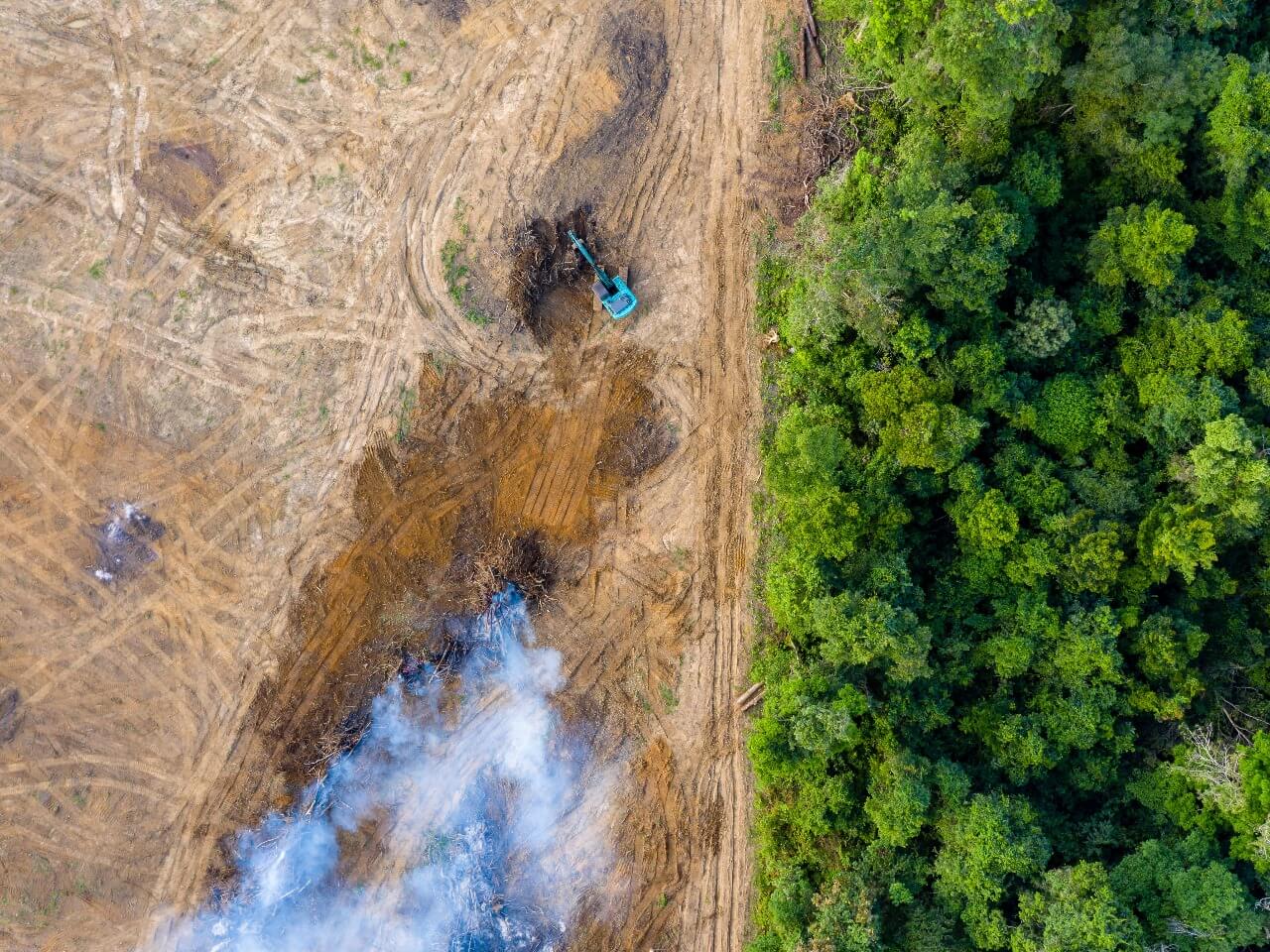
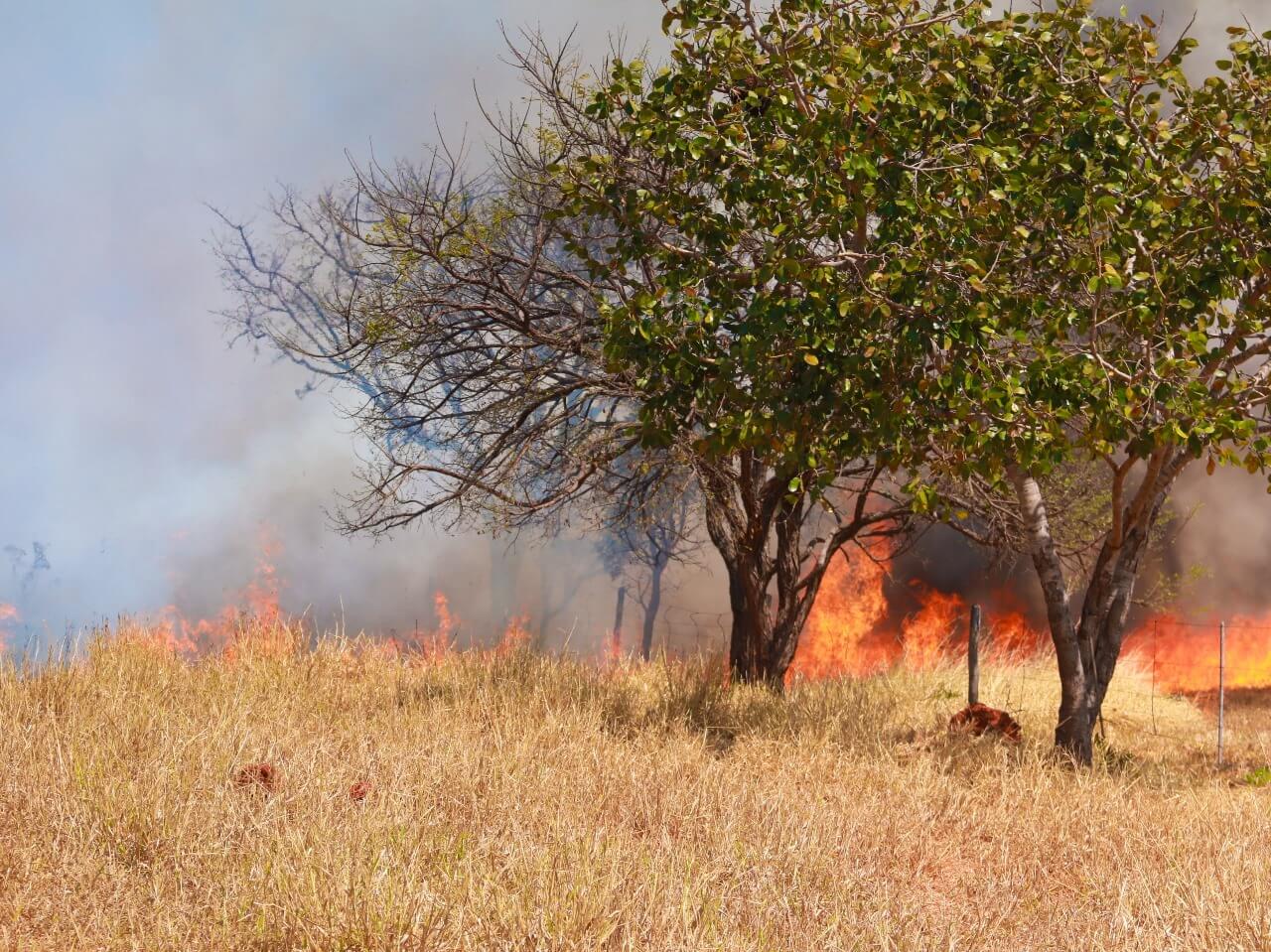
World’s most biodiverse tropical savanna, covering over 20% of Brazil’s territory. It plays a critical role in connecting multiple biomes and feeding some of South America’s major river systems. The region is a powerhouse for agrifood systems, producing much of Brazil’s soy, beef, and grains — but often at the expense of native vegetation and traditional communities. At the same time, the Cerrado holds untapped potential for a bioeconomy rooted in resilience, including native fruits like pequi and baru, medicinal plants, and low-carbon livestock systems. Balancing large-scale agriculture with the conservation of socio-biodiversity is essential for the future of the Cerrado — and the planet.